

As a registered dietitian, vitamin D is one of the most common deficiencies I find when reviewing clients’ lab work. More than half of my clients have low vitamin D levels, even though many of them live in sunny Florida. Here’s why it’s so common, what symptoms to watch for, and what actually works to raise your levels:
First, get tested
If you haven’t had your D level checked in over a year, it’s time. You’ve got 3 options:
- Have your primary care provider add it to your annual labs (just tell them you’re tired if they need a reason for your insurance to cover it)
- Order it yourself through Quest Direct ($70)
- Have me order it for you if you’re one of our clients ($45).
Vitamin D (or the lack of) in food
You know what’s kind of crazy? Vitamin D isn’t even a real vitamin. Because the body can produce its own vitamin D, it’s not considered an essential part of the diet. There are hardly any foods that naturally contain vitamin D. The only food sources are cod liver oil, salmon (sockeye), rainbow trout, egg yolk, canned tuna, beef liver, and UV-exposed mushrooms (ummm… how do I know if my mushrooms were tan-maxxing before they got in my cart?).
| Food | Approximate Vitamin D |
|---|---|
| Sockeye salmon | ~570 IU |
| Rainbow trout | ~645 IU |
| Egg yolk | ~40 IU |
| Tuna | ~150 IU |
| Beef liver | ~40 IU |
| UV mushrooms | 300-500 IU |
| Cod liver oil | ~450 IU/tsp |
All other foods with vitamin D (like milk and OJ) are fortified with a vitamin D supplement.
Bottom line is, unless you’re downing a couple tablespoons of cod liver oil daily, you’re probably not going to get your vitamin D levels up with food alone.
Why vitamin D matters
Vitamin D deficiency has been linked to depression, decreased immunity and dementia. Vitamin D can affect everything from your mood, your energy levels, and how often you get sick.
Exposing bare skin to the sun for 10-20 mins 2-3x per week allows most bodies to produce sufficient vitamin D.
What about skin cancer?
There is no universal recommendation from major organizations (American Academy of Dermatology, USPSTF, WHO) to get unprotected sun exposure specifically for vitamin D because any UV exposure increases skin cancer risk.
That said, researchers who study vitamin D agree that small amounts of sun exposure can produce substantial vitamin D without significantly increasing skin cancer risk if you avoid burning.
My deficiency
When I got my levels tested for the first time my vitamin D was 29 ng/mL. Normal levels are generally considered 30-100 ng/mL, but the sweet spot is around 70 ng/mL. Not a huge surprise, as I was prone to seasonal depression during the winter months in Ohio. My body craves that sun exposure so it makes sense that may be part of the reason why.
I realized there were some days where my only outdoor activity was going to and from the car so I made it my goal to get 10 mins of sun exposure daily. I retested after 6 months and my vitamin D had gone down to 27 🫤

What finally got my vitamin D in normal range
1. Getting a dog
2. Supplementation
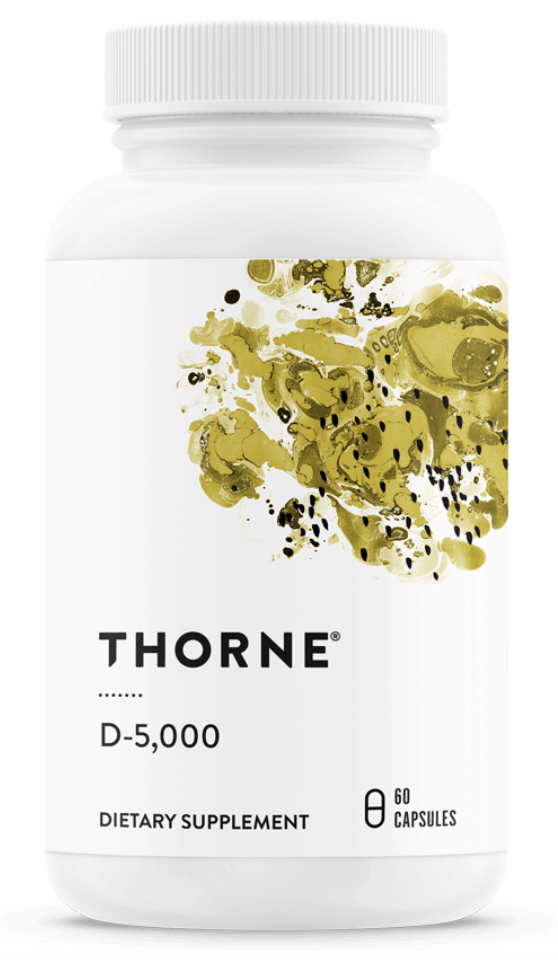
Since getting Norman, my vitamin D is always above 30. We walk outside for 20-30 mins twice a day. I can increase my levels to ~40 if I take Thorne Vitamin D 5,000 a few days a week.
Disclaimer: Vitamin D levels that are too high tend to have the same adverse effects as levels that are too low. Vitamin D is a fat soluble vitamin, which means it can build up in your system over time. Popping super high vitamin D for years without retesting is not a good idea. I’d recommend retesting yearly.
This is the vitamin D supplement I personally use and I take it around 3 times per week, depending on my sun exposure. I skip it on big outdoor days, like if I go on a bike ride or to the beach. The right dose for you will depend on your lab work, skin tone and individual needs.
FAQs about vitamin D
Can you get enough vitamin D from food?
No. Only a handful of foods naturally contain vitamin D, including salmon, trout, egg yolks, beef liver, cod liver oil, and UV-exposed mushrooms. Most people cannot meet their vitamin D needs through food alone.
How much sun do you need for vitamin D?
For many people, exposing arms and legs to midday sunlight for approximately 10-20 minutes, 2-3 times per week, is enough to produce vitamin D. The exact amount depends on skin tone, season, latitude, and sunscreen use. Avoid sunburn.
What are symptoms of vitamin D deficiency?
Symptoms may include:
- Fatigue
- Low mood or depression
- Frequent illness
- Muscle weakness
- Bone pain
- Low bone density
Some people have no symptoms at all.
What is a normal vitamin D level?
Most laboratories consider 30-100 ng/mL or higher to be sufficient. Personally, I aim for around 40-70 ng/mL, although the ideal target depends on the individual and is still debated among experts
Next steps
At Nutrition Awareness, we don’t just hand you a supplement recommendation and send you on your way. We take a comprehensive look at your lab work, medical history, symptoms, medications, lifestyle, and eating habits to identify what’s contributing to nutrient deficiencies in the first place. From there, we’ll help you determine whether food, safe sun exposure, supplementation, or additional testing is the best approach for you, then create a realistic plan to get your levels where they need to be.
Whether you’re struggling with fatigue, low energy, frequent illness, mood changes, or you simply want to optimize your health, we’re here to help. Schedule an appointment in our Orlando office or virtually from anywhere in the world.