
What is Berberine and Who Should Take It?
Sponsored disclosure: This post is a paid partnership by Naked Nutrition. All opinions are my own, and I’m committed to providing honest feedback on any gifted products.
With weight loss medications such as Zepbound and Ozempic growing in popularity, many of my clients have been asking about an over-the-counter supplement that claims to support weight loss: berberine. In fact, you may have even heard berberine being touted as “nature’s Ozempic.”
So when Naked offered me a sample of Naked Berberine, I was excited for the opportunity to put my official dietitian recommendation into a blog. It’s the same advice I give to my real life clients (just way more in depth and supported with links to studies 🤓).
This write up will cover an overview of berberine, the evidence behind its health benefits, who should take it, and my thoughts on Naked Berberine specifically.
Let’s start with the basics.
What is Berberine?
Berberine is a compound derived from plants like goldenseal, barberry, and Oregon grape. Its long history stems from traditional Chinese and Ayurvedic medicine (though it’s classified as a supplement in the US, not a pharmaceutical). It’s recognized for its potential benefits in blood glucose regulation, heart health, and digestive health.
Despite claims that berberine mimics GLP-1s, there are not any conclusive studies to support that yet. Still, there are some health benefits to the dietary supplement.
What are the Health Benefits of Berberine?
There are 4 potential health benefits with berberine that I want to explore: weight loss, blood glucose regulation, cardiovascular health, and managing sugar cravings.
- Does berberine help with weight loss?
Why exactly is berberine nicknamed “nature’s Ozempic?” Good question because although berberine works differently than GLP-1 drugs, it is linked to modest weight loss.
While GLP-1 drugs mimic the GLP-1 hormone to regulate appetite and digestion, berberine’s main action is activating AMPK (adenosine monophosphate-activated protein kinase), an enzyme that acts as a cell’s energy sensor and helps it regulate how your body uses glucose and fat.
Multiple meta-analyses agree that berberine’s effect on weight is real but small. The most recent, a 2026 review of 23 trials, found an average loss of about 2 lb compared to control, along with modest drops in BMI and waist circumference. Some reviews found waist size changed even when weight didn’t, and a 2022 review of 21 trials showed the biggest benefits in people with type 2 diabetes or fatty liver.
So what does this mean for you? Berberine won’t be as effective as weight loss medication, but it may support modest weight loss if you have prediabetes, type II diabetes, or fatty liver. Pairing berberine for at least 8 weeks with the right diet and exercise plan can amplify those results. Not sure where to start? Book an initial consultation with one of our registered dietitians.
- Does berberine lower blood sugar?
Short answer, yes! Especially if you have prediabetes, insulin resistance, or a fasting blood glucose of over 100 mg/dL (fasting blood glucose levels in healthy individuals are typically 70-99 mg/dL).
In fact, some small studies suggest that 1,000-1,500 mg/day of berberine could be as effective in lowering blood sugar levels as the oral medication Metformin! Still, that doesn’t make it a substitute for a medication prescribed by your doctor.
If you currently take a glucose-lowering medication like Metformin, GLP-1, or insulin, check with your prescriber first. Stacking these medications with berberine can increase the risk of hypoglycemia (lower blood sugar). If your doctor says it’s OK, I suggest wearing a continuous glucose monitor (CGM) to see how you respond.
- Can berberine improve heart health?
Berberine has demonstrated potential anti-inflammatory and metabolic benefits that may help improve cardiovascular risk factors, particularly in individuals with impaired metabolic health.
Elevated triglycerides are commonly associated with metabolic syndrome, obesity, insulin resistance, and type 2 diabetes. Research suggests berberine supplementation may help improve lipid profiles, including significantly reducing triglyceride, total cholesterol, and LDL cholesterol levels.
In fact, a meta-analysis of randomized controlled trials found that berberine supplementation reduced triglycerides by approximately 30 mg/dL on average!
One note: if you’re currently taking a statin to lower your cholesterol, check with your doctor before supplementing with berberine.
- Does berberine reduce sugar cravings?
On Naked’s website, they list reduced sugar cravings as a potential benefit to taking berberine.
While berberine itself won’t dismantle cravings for cookies and pie, it can support healthy blood glucose regulation.
Why does that matter for cravings? Research suggests that larger declines in blood sugar could cause a spike in hunger, leading to more food (calorie) intake. Since berberine can help regulate blood glucose, it may play a role in managing appetite and cravings. More research is needed before we can definitively say berberine lowers cravings!
Of course, a supplement alone isn’t the most effective way to manage our blood sugars, cravings, and appetite. Pairing your berberine with a balanced diet rich in protein, fiber, and low-glycemic carbs will yield better results!
How Much Berberine Should You Take?
The standard berberine dose that has been studied is between 900 and 1,500 mg/day. However, the dose you take will vary depending on the form of berberine you take. Standard berberine has suboptimal absorption, meaning only a little makes it to circulation.
Dihydroberberine is a modified form of berberine that appears to be more readily absorbed. In fact, a small human study showed 100 mg of dihydroberberine resulted in more berberine levels in the bloodstream than the 500 mg of traditional berberine.
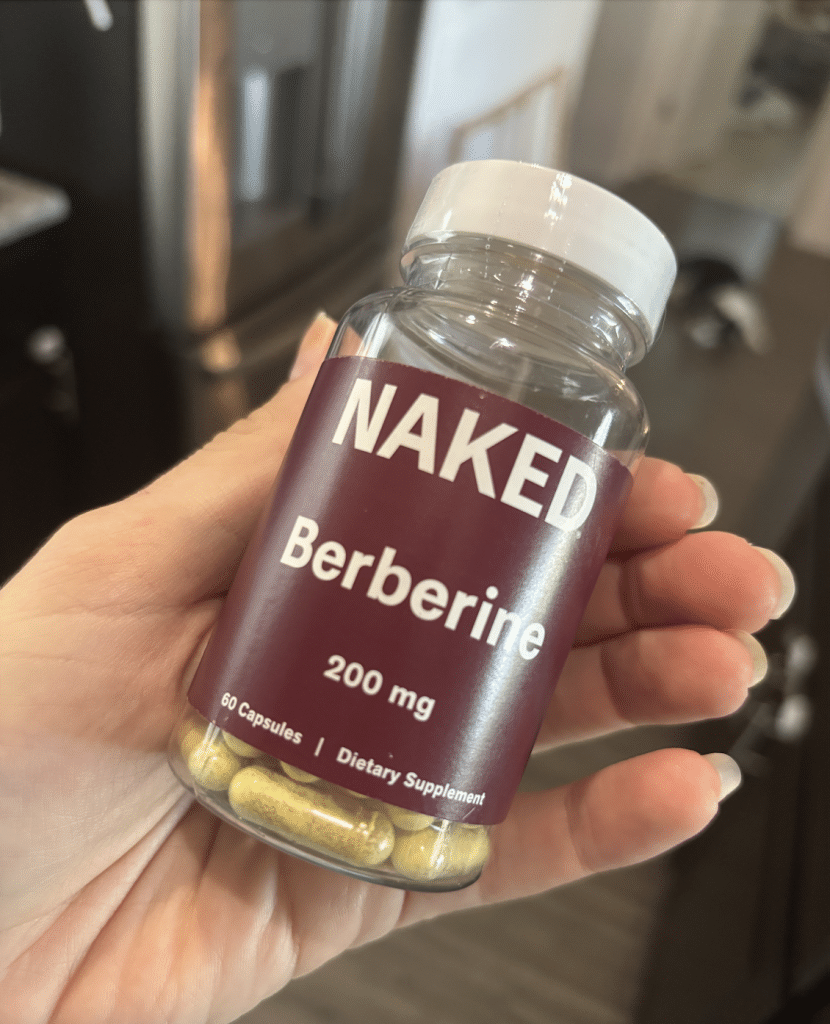
This is why manufacturers like Naked Nutrition may choose to offer dihydroberberine in their products. Naked’s Berberine has 200 mg per capsule, so you only have to take one per day with water or food.
Since trials on berberine typically last 8 to 24 weeks, users should expect to wait 2 to 3 months before evaluating results.
Who Should Take Berberine?
Berberine is a promising supplement that could be worth your while if you’re committed to improving your overall health. I’d recommend Naked’s berberine to anyone who…
- Has elevated fasting blood glucose (>100), insulin resistance, or Type II Diabetes
- Has elevated triglycerides (>150) and/or LDL cholesterol (>100)
- Is pursuing weight loss with diet and exercise, especially if you have obesity or fatty liver
As always, there is no magic supplement that can “cure” your health. Losing weight, improving your heart health, and reducing your blood sugars require you to make sustainable changes to your diet, exercise habits, stress management, and/or sleep. But alongside a healthy lifestyle, and your provider’s okay, berberine can help move the needle closer towards your goals.
A Dietitian’s Honest Thoughts on Naked Berberine
I took Naked Berberine for 3 days and experienced no GI side effects or weird after taste. You only need to take one pill per day with water.
While I’m not actively pursuing weight loss or trying to lower my blood glucose, I’ll continue to supplement until I finish the bottle and see if there are any changes in my weight.
I should also note that I have been recommending Naked Nutrition products for years because they don’t cut corners or put any nonsense in their ingredients. Naked’s Berberine has only one active ingredient: dihydroberberine. Like their protein powders, there are no sweeteners, artificial flavors, or colors.
You can read a review I did on Naked Nutrition’s Beef Protein Powder here.
General nutrition information, not personalized medical or dietary advice. Check with your own RD or provider about what’s right for you.